High Protein Affordable Puppy Food Brands for Fast Growing Breeds

Raising a fast-growing large or giant breed puppy—such as a German Shepherd, Labrador Retriever, Golden Retriever, or Mastiff—is an incredible adventure. It is also an expensive one. During their first year of rapid development, these dogs seemingly possess bottomless stomachs, turning every trip to the pet supply store into a major investment.

While high protein is non-negotiable for building strong muscles and supporting an energetic puppy framework, large-breed nutrition requires a delicate balancing act. High protein must be carefully calibrated with controlled calories and precise calcium-to-phosphorus ratios to prevent rapid, uneven bone growth. Fortunately, you do not need to empty your bank account on boutique marketing labels to give your giant pup a safe, high-quality start.

The Golden Rules of Large-Breed Puppy Nutrition on a Budget

When hunting for an affordable, high-protein food for a fast-growing dog, savvy owners should look past flashy packaging and evaluate the metrics that actually …

Diet and Space Needs for Hybrid Exotic Pet Cat Breeds

There is an undeniable fascination surrounding hybrid exotic cats. Breeds like the Savannah (a cross between a domestic cat and an African serval), the Bengal (descended from the Asian leopard cat), and the Chausie (derived from the wild jungle cat) bring a breathtaking touch of the wilderness directly into the domestic sphere. With their striking spots, powerful musculature, and intense intelligence, they capture the imagination of cat lovers worldwide.

However, bringing a hybrid cat into your home is radically different from adopting a standard domestic tabby. Beneath their exotic coats lies a wild genetic blueprint. To keep these magnificent animals healthy, balanced, and safe, owners must meet uncompromising, highly specialized requirements when it comes to their diet and living space.

The High-Performance Fuel: Specialized Nutritional Requirements

Standard commercial cat kibble from the grocery store aisle simply will not cut it for a hybrid feline. Their metabolisms, digestive tracts, and nutritional …

Developmental Benefits of Pet Ownership for Young Children

Picture a quiet afternoon: a toddler sitting cross-legged on the living room rug, carefully “reading” a picture book out loud to an immensely patient golden retriever resting its heavy chin on the child’s knee. Scenes like this are heartwarming, but they represent far more than just a sweet family moment.

For young children, growing up alongside a pet offers a rich, immersive developmental laboratory. Beyond providing endless entertainment, pet ownership plays a profound, scientifically supported role in shaping a child’s emotional intelligence, social skills, physical health, and cognitive growth.

Emotional Intelligence and Empathy Building

Long before children fully grasp complex human emotions, they learn to read the world through their interactions with animals. Pets become a child’s first bridge to genuine empathy.

  • Decoding Non-Verbal Cues: Animals don’t speak human languages, forcing young children to pay close attention to body posture, ear positions, tail wags, and whimpers. This sharpens a child’s
…

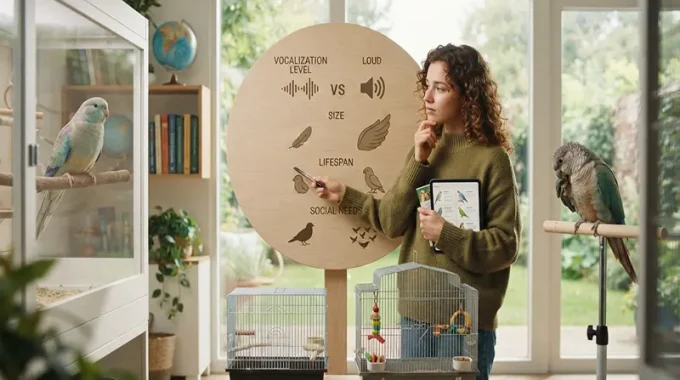
Key Factors to Consider When Choosing a Quiet Pet Bird Species

There is a widespread misconception that sharing your home with a pet bird means resigning yourself to a daily soundtrack of ear-piercing shrieks and non-stop squawking. For apartment dwellers, remote workers, and families living in close quarters, the thought of a loud pet is often enough to deter them from experiencing the joy of avian companionship.

However, the bird world is wonderfully diverse. While some species—like large macaws or conures—possess flock-calling mechanisms that can rattle drywall, many other species communicate in soft murmurs, melodic songs, or gentle chirps. Finding a “quiet” bird, however, requires looking past simple breed labels to evaluate vocalization types, environmental triggers, and daily routines.

Factor 1: Vocalization Type—Chirps vs. Screams

Before bringing any bird home, it is vital to understand that no bird is 100% silent. All healthy birds make vocalizations as part of their natural biology. The key differentiator is how they express themselves.…

Dry Kibble vs Raw Diet Puppy Food for Golden Retrievers

Welcoming a Golden Retriever puppy into your home brings an immediate wave of joy—followed quickly by an overwhelming amount of advice on how to raise them. Among all the decisions you will make, few spark as much intense debate as nutrition. Golden Retriever puppies have unique developmental vulnerabilities, making their early diet choices critical to their long-term health.

As you navigate the pet food aisles or online forums, you will inevitably find yourself caught in the crossfire of the great modern nutrition debate: the safety and scientific consistency of premium dry kibble versus the ancestral, highly palatable appeal of a raw food diet.

The Golden Retriever Growth Equation: Why Puppy Nutrition Matters

Golden Retrievers are classified as large-breed dogs, meaning they experience a rapid, dramatic skeletal expansion during their first 12 to 18 months of life. This unique growth trajectory introduces strict physiological requirements that smaller breeds simply do not …