

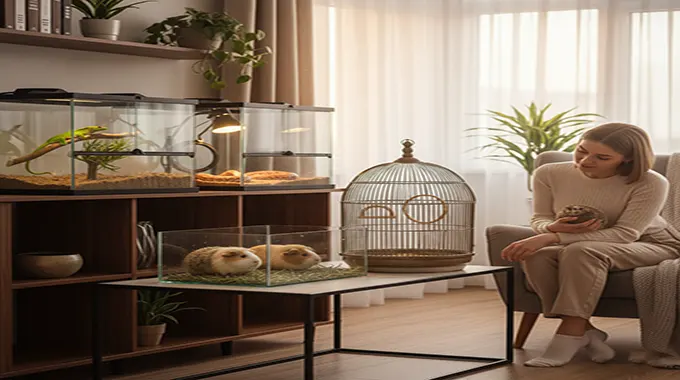
The dream of pet ownership often conjures images of dogs and cats, but for those living in the city, traditional pets can be a logistical nightmare. Between restrictive leases, lack of yard space, and noisy neighbors, many apartment dwellers find themselves seeking something different. This is where “exotic” pets shine. In this context, “exotic” doesn’t mean a dangerous jungle cat; it simply refers to non-traditional animals that are perfectly suited for small-scale living.
When searching for the best low maintenance exotic pets for beginners in apartments, the goal is to find an animal that fits into your lifestyle without demanding excessive space, specialized hardware, or hours of daily interaction.
What Makes a Pet “Low Maintenance”?
It is important to clarify: no living creature is “zero” maintenance. However, for a beginner, low maintenance typically means the animal has predictable housing needs, a straightforward diet, and a hardy constitution. A beginner-friendly exotic pet is generally docile, doesn’t require a 100-page manual to keep alive, and stays relatively quiet—a must for shared-wall living.
Top Recommendations for Beginners
1. Leopard Geckos
Leopard geckos are often cited as the gold standard for beginner reptiles. They are small (fitting comfortably in a 20-gallon long tank) and are naturally docile. Because they are crepuscular (active at dawn and dusk), they don’t require expensive, high-intensity UVB lighting like some other lizards.
- Key Care: They need a diet of live insects and a simple heat mat to aid digestion.
- Caveat: You must be comfortable handling live bugs like mealworms or crickets.
2. Betta Fish
While often kept improperly in tiny bowls, a Betta fish in a proper 5-to-10-gallon filtered and heated tank is one of the most stunning and low-effort pets available. They are silent, occupy very little vertical space, and possess surprisingly distinct personalities.
- Key Care: Weekly water changes and a consistent temperature of 25-27°C (77-80°F) are vital.
- Caveat: They are solitary and cannot be housed with other Bettas.
3. New World Tarantulas (e.g., Arizona Blonde)
For those with limited time and space, tarantulas are the ultimate “pet rocks.” A terrestrial tarantula like the Arizona Blonde ($Aphonopelma\ chalcodes$) needs very little room and can thrive in a small plastic enclosure. They are silent, odor-free, and only need to be fed once or twice a week.
- Key Care: Provide a shallow water dish and appropriate substrate for burrowing.
- Caveat: These are “look-but-don’t-touch” pets; handling can be stressful for the spider and risky for the owner.
4. African Fat-Tailed Geckos
Similar to the Leopard Gecko, these lizards are known for being even more “chill.” They have a beautiful, chunky appearance and are very slow-moving, making them easy for a beginner to handle without fear of the animal darting away.
- Key Care: They require slightly higher humidity than Leopard Geckos, which can be managed with a simple “moist hide” filled with damp moss.
Crucial Considerations Before Adopting
Before you bring home your new exotic friend, remember that “low maintenance” is relative. Many of these animals, such as geckos, can live for 15 to 20 years, making them a long-term commitment. Furthermore, you must ensure you have access to an exotic animal veterinarian, as traditional clinics often cannot treat reptiles or invertebrates.
Always check your lease and local ordinances first—while your tarantula might be a model citizen, your landlord might have specific rules regarding exotic species. With the right research, an exotic pet can provide a fascinating, low-stress window into the natural world right from your living room.