
Introducing a pet into a household with young children is a magical milestone. While dogs and cats are the traditional go-to options, feathered friends can make extraordinary, highly educational family companions. Birds introduce children to biology, responsibility, and the nuances of animal body language in a unique way.
However, matching a delicate, hollow-boned animal with the high energy, sudden movements, and unpredictability of toddlers or small children requires careful thought. Choosing the wrong species can lead to stressed pets, nipped fingers, and frustrated parents.
Crucial Safety and Temperament Factors for Kids
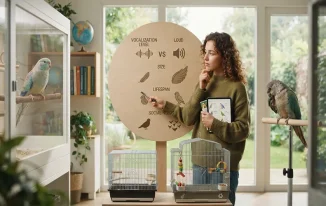
Not all birds are built for family life. When evaluating which species fits your household, keep these core criteria in mind:
- Bite Force and Beak Size: Small children lack impulse control and fine-motor coordination. A large parrot (like an Amazon or a Macaw) has a beak capable of crushing walnut shells and can inflict severe damage if startled. Family birds need to be small enough that an accidental nip is manageable.
- Patience and Resilience: Children can be loud, fast, and erratic. The ideal family bird is easygoing, less prone to nervous panic, and capable of tolerating a moderately busy household.
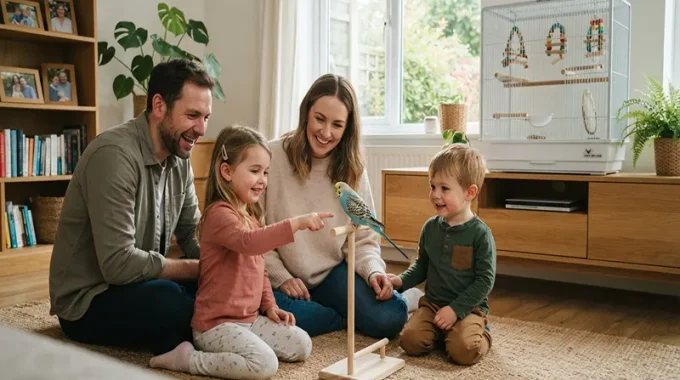
- Clear Boundaries: Even the friendliest bird needs to be taught respect. Parents must actively supervise all interactions, teaching children the golden rule of pet care: gentle hands, quiet voices, and respecting when a bird wants to retreat to its cage.
Top Kid-Friendly Bird Species
Here are the top-rated avian species known for thriving in family environments with young children.
1. Cockatiels
Widely considered the gold standard for family pets, cockatiels are affectionate, gentle, and remarkably sturdy compared to smaller finches.
- Temperament & Kids: Cockatiels love physical contact. They thoroughly enjoy head scratches and sitting quietly on a shoulder while kids do homework or watch TV. They have a sweet disposition and rarely bite unless severely provoked.
- Size & Hardiness: Growing to about 12 to 13 inches, they are large enough not to feel fragile in a child’s hands, yet small enough to handle safely.
- Noise Level: Moderate. They whistle and chat rather than scream, making them harmonious neighbors in a busy household.
2. Green-Cheeked Conures
If your family wants a small parrot with a big personality and a playful clown-like streak, the green-cheeked conure is a fantastic choice.
- Temperament & Kids: Extremely affectionate, adventurous, and curious. They love being part of family activities and can form incredible bonds with children.
- Size & Hardiness: Compact (around 10 inches), they pack a lot of sturdiness into a small frame.
- Noise Level: Quieter than many other conure species, though they do have sharp calls when excited. Note: They do love to explore with their beaks, so teaching children gentle handling is vital.
3. Budgerigars (Budgies / Parakeets)
For younger children who might find a cockatiel intimidating, budgies offer a colorful, miniature entry point into bird ownership.
- Temperament & Kids: Cheerful, active, and endlessly entertaining to watch. While they can be a bit too fast and delicate for aggressive cuddling, they make wonderful observational pets that can be tamed with patience.
- Size & Hardiness: Small (7 to 8 inches), meaning they require extra care to ensure they are never accidentally squeezed or mishandled.
- Noise Level: Low. Their cheerful warbles blend easily into background household noise.
4. Society Finches
If your children are very young and you prefer a “hands-off” pet that they can watch rather than hold, finches are ideal.
- Temperament & Kids: Peaceful, delicate, and entirely content living inside their enclosure without human handling.
- Size & Hardiness: Tiny and fragile; they are strictly observation-only pets.
- Noise Level: Exceptionally quiet, offering soft, pleasant peeps that will never wake a napping toddler.
Practical Integration and Household Management
Integrating a bird into a home with kids requires thoughtful environmental setup:
- Strategic Cage Placement: Keep the cage in a family-centric area (like the living room or kitchen) so the bird feels included, but place it safely out of the direct line of flying toys, soccer balls, and toddler chaos.
- Involving Kids Safely: Children love helping! Give them safe, age-appropriate chores, such as washing fresh vegetables for chop bowls, helping to sprinkle seed, or bringing fresh water. This fosters a deep sense of shared responsibility.
Choosing the right pet bird for a family with small kids comes down to balancing your child’s age and temperament with the gentle needs of an animal. Species like Cockatiels and Green-Cheeked Conures offer wonderful, affectionate companionship for older kids, while Finches and Budgies provide gentler entry points for younger households.
With parental supervision, clear boundaries, and mutual respect, a pet bird can become a cherished, long-lived member of your family.