
Aging in place or living alone in later life brings a unique set of emotional hurdles. While independence is deeply valued, the quiet halls of an empty home can sometimes give way to the silent, heavy weight of loneliness and social isolation. For millions of older adults, the transition into retirement or the loss of a spouse changes the daily rhythm of life, leaving a void that can impact both mental and physical well-being.
Amidst these transitions, a growing body of gerontological and psychological research points to a comforting, four-legged solution. Pets are far more than just pleasant housemates; they serve as profound psychological anchors that dramatically enhance a senior’s mental health, cognitive engagement, and daily joy.
Combating Loneliness and Fostering Unconditional Connection
Loneliness in older adulthood is not merely a feeling of sadness—chronic isolation carries real physiological risks, comparable to the health impact of smoking or high blood pressure.
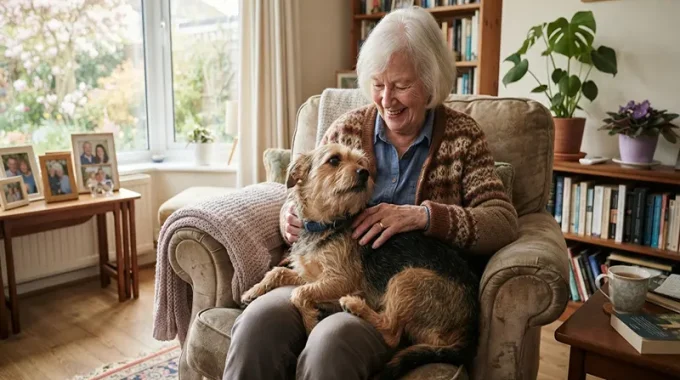
- The Biochemistry of Comfort: Interacting with a loyal dog or an affectionate cat triggers an immediate release of oxytocin, the body’s natural bonding hormone, while simultaneously lowering cortisol and blood pressure.
- Non-Judgmental Presence: Unlike human relationships, which can sometimes involve complex social dynamics or friction, a pet offers pure, uncritical acceptance. Knowing there is a living creature in the home that is genuinely thrilled to see you every morning provides an invaluable emotional safety net.
Restoring Purpose, Routine, and Cognitive Engagement
One of the greatest psychological risks of living alone is the disappearance of a structured daily schedule. When no one else is counting on you to wake up at a certain time, days can blur together, fostering apathy or depressive symptoms.
- The Power of “Someone Needs Me”: Pets thrive on consistency. They need to be fed at specific times, let outside, or brushed. This gentle responsibility gives seniors a vital sense of purpose and a reason to get out of bed each morning.
- Cognitive Stimulation: Managing a pet’s care—keeping track of feeding charts, scheduling veterinary appointments, or engaging in interactive play—keeps older minds active, alert, and engaged in problem-solving.
Bridging the Social Gap: Pets as Social Catalysts
When living alone, it is easy to slip into days of complete silence without speaking to another person. Pets act as natural social magnets, breaking down barriers and sparking human connection.
- Icebreakers for Conversation: Whether it is chatting with a neighbor during a morning dog walk, greeting fellow regulars at the local park, or talking with a veterinarian and groomer, pets give seniors an easy, positive topic of conversation.
- Combating Community Isolation: These micro-interactions help older adults feel visible, valued, and tethered to a broader community rather than isolated behind closed doors.
Mitigating Grief, Anxiety, and Stress
Later life often brings inevitable waves of grief—whether from losing friends, family members, or physical mobility. Pets provide a unique anchor of emotional resilience during these turbulent chapters.
- Tactile Grounding: When anxiety or existential dread strikes, the simple act of stroking a soft coat or feeling the rhythmic purr of a cat provides immediate nervous system regulation. It pulls a worried mind out of abstract fears and grounds it safely in the comforting present.
- Emotional Stability: The steady, predictable presence of an animal offers emotional ballast, cushioning seniors against the sharp edges of sudden grief or life changes.
For seniors living alone, welcoming a pet can completely transform the emotional climate of a home. By driving away the shadows of isolation, restoring a comforting daily purpose, and offering unconditional affection, companion animals enrich the golden years with vitality and grace.