
There is an undeniable fascination surrounding hybrid exotic cats. Breeds like the Savannah (a cross between a domestic cat and an African serval), the Bengal (descended from the Asian leopard cat), and the Chausie (derived from the wild jungle cat) bring a breathtaking touch of the wilderness directly into the domestic sphere. With their striking spots, powerful musculature, and intense intelligence, they capture the imagination of cat lovers worldwide.
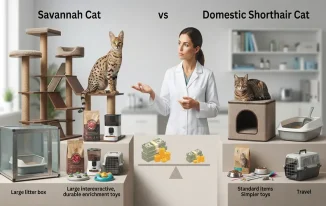
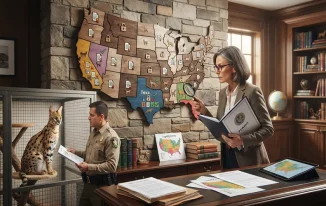
However, bringing a hybrid cat into your home is radically different from adopting a standard domestic tabby. Beneath their exotic coats lies a wild genetic blueprint. To keep these magnificent animals healthy, balanced, and safe, owners must meet uncompromising, highly specialized requirements when it comes to their diet and living space.
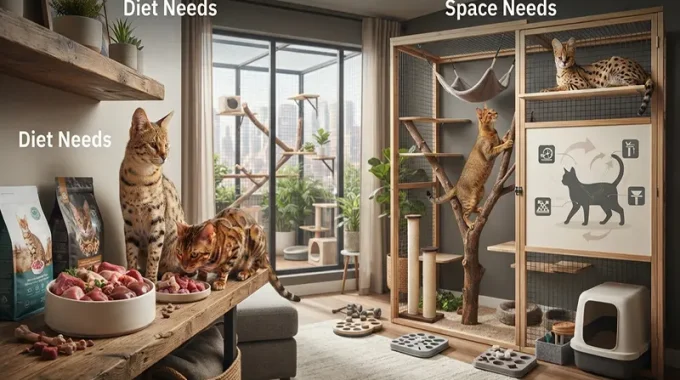
The High-Performance Fuel: Specialized Nutritional Requirements
Standard commercial cat kibble from the grocery store aisle simply will not cut it for a hybrid feline. Their metabolisms, digestive tracts, and nutritional demands are heavily influenced by their wild ancestors.
- High-Protein Demands: Hybrids require a diet exceptionally rich in high-quality animal protein and specific amino acids, such as taurine and arachidonic acid, to maintain their lean muscle mass and high energy levels.
- The Danger of Cheap Fillers: Grains, corn, and heavy plant-based fillers frequently lead to chronic digestive distress, inflammatory bowel issues, and poor nutrient absorption in hybrid breeds. Their digestive tracts are shorter and less equipped to process complex carbohydrates.
- Raw and Whole-Prey Diets: Many experienced hybrid owners opt for professionally balanced raw meat diets or whole-prey models (such as appropriately sourced quail, mice, or rabbit components). These diets mimic what their wild ancestors consume, supporting optimal digestion, coat condition, and dental health.
- Hydration Management: Because hybrids are prone to urinary tract issues, relying exclusively on dry food is discouraged. Incorporating wet, raw, or broth-boosted hydration strategies is essential to keep their kidneys functioning smoothly.
Engineering the Habitat: Spatial and Structural Needs
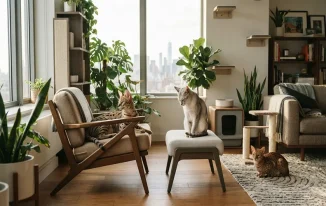
Standard apartment living or a quiet suburban bedroom can quickly become a prison for a high-energy hybrid cat. Their spatial needs are dictated by physics, athleticism, and an insatiable curiosity.
- Mastering Vertical Territory: Hybrids like early-generation Savannahs can leap up to eight feet from a standing position. Standard cat trees will tip over under their weight and velocity. Owners must invest in heavy-duty, floor-to-ceiling climbing structures, securely anchored wall shelves, and expansive vertical walkways.
- The Need for Square Footage: Confining a hybrid to a small space leads directly to frustration, anxiety, and destructive behavior. They need room to run, sprint, and practice predatory pacing.
- Secure Containment and “Catios”: Because they are master problem solvers and elite athletes, traditional escape routes are a constant hazard. Standard window screens will be torn or pushed out in seconds. Many owners build secure, enclosed outdoor “catios” or reinforced balcony runs to let their cats experience fresh air safely.
- Heavy-Duty Hardware: Door latches, secure room dividers, and reinforced doors are frequently necessary to manage their access to restricted areas of the home.
Mental Enrichment and Preventing Destructive Boredom
Physical space and proper nutrition are only half the battle; a hybrid’s mind requires just as much architecture as its environment.
- Combating Confinement Stress: An under-stimulated hybrid will invent its own entertainment, which often translates to stripping wallpaper, chewing drywall, turning on faucets, or opening kitchen cabinets.
- Actionable Enrichment Strategies:
- Puzzle Feeders: Slow down meal times and force them to hunt for their food mentally.
- Leash and Harness Training: Many hybrids can be successfully leash-trained, turning walks into high-reward exploration sessions.
- Agility and Training: Teaching complex tricks provides the mental fatigue necessary to keep them calm indoors.
Owning a hybrid exotic cat breed is an extraordinary commitment that goes far beyond the average pet ownership experience. Their wild ancestry demands a level of dedication, financial investment, and environmental engineering that few casual pet owners anticipate. By providing an uncompromised, species-appropriate raw diet, a reinforced and vertically expansive living space, and rigorous mental enrichment, owners can ensure their extraordinary feline companion thrives safely and happily in a human home.