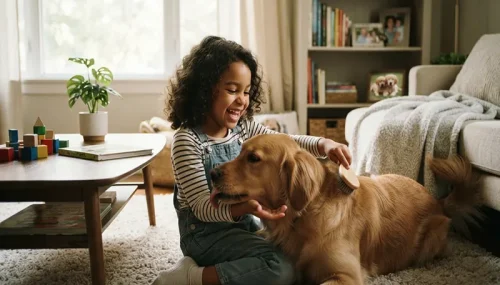
Psychological Benefits of Pet Ownership for Seniors Living Alone

Aging in place or living alone in later life brings a unique set of emotional hurdles. While independence is deeply valued, the quiet halls of an empty home can sometimes give way to the silent, heavy weight of loneliness and social isolation. For millions of older adults, the transition into retirement or the loss of a spouse changes the daily rhythm of life, leaving a void that can impact both mental and physical well-being.

Amidst these transitions, a growing body of gerontological and psychological research points to a comforting, four-legged solution. Pets are far more than just pleasant housemates; they serve as profound psychological anchors that dramatically enhance a senior’s mental health, cognitive engagement, and daily joy.

Combating Loneliness and Fostering Unconditional Connection

Loneliness in older adulthood is not merely a feeling of sadness—chronic isolation carries real physiological risks, comparable to the health impact of smoking or high blood pressure.…
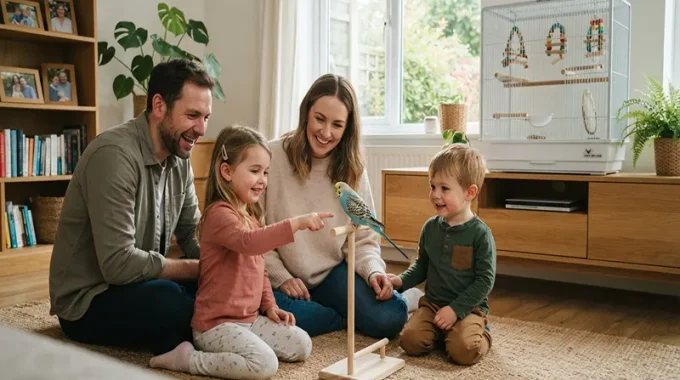
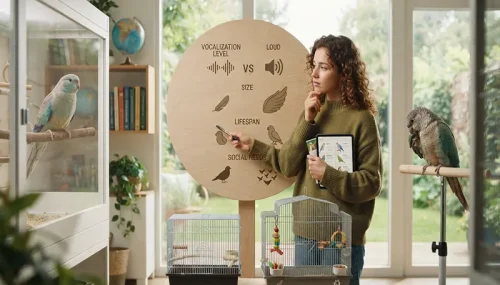
How to Choose the Right Pet Bird for Families with Small Kids

Introducing a pet into a household with young children is a magical milestone. While dogs and cats are the traditional go-to options, feathered friends can make extraordinary, highly educational family companions. Birds introduce children to biology, responsibility, and the nuances of animal body language in a unique way.

However, matching a delicate, hollow-boned animal with the high energy, sudden movements, and unpredictability of toddlers or small children requires careful thought. Choosing the wrong species can lead to stressed pets, nipped fingers, and frustrated parents.

Crucial Safety and Temperament Factors for Kids

Not all birds are built for family life. When evaluating which species fits your household, keep these core criteria in mind:

  • Bite Force and Beak Size: Small children lack impulse control and fine-motor coordination. A large parrot (like an Amazon or a Macaw) has a beak capable of crushing walnut shells and can inflict severe damage if startled. Family
…

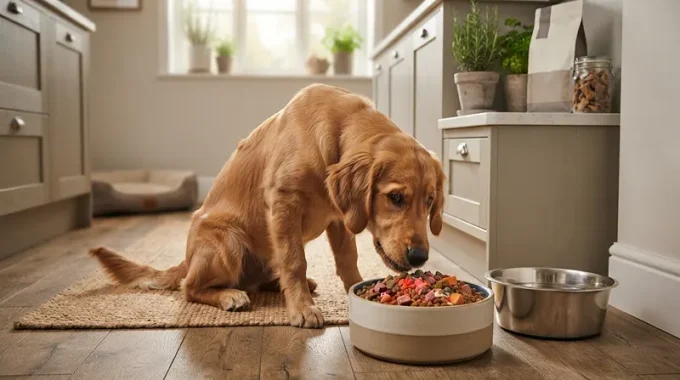
Best Grain-Free Puppy Food for Sensitive Stomach Large Breeds

Raising a large or giant-breed puppy is an incredible journey. Watching a tiny Lab, German Shepherd, or Great Dane puppy transform into a majestic adult is rewarding, but it comes with a unique set of nutritional tightropes. Large-breed puppies have notoriously delicate gastrointestinal systems, often prone to soft stools, gas, and food sensitivities.

When standard puppy foods cause digestive upset, many owners turn to grain-free formulas. However, feeding a fast-growing giant breed requires balancing gut relief with strict skeletal safety.

The Unique Nutritional Equation for Large-Breed Puppies

Unlike small-breed puppies who reach maturity within a year, large and giant breeds grow rapidly for 18 to 24 months. Their nutritional requirements are intensely specialized:

  • Controlled Caloric Density: Overfeeding a large-breed puppy or giving them a food that is too calorie-dense causes them to grow too fast. Their bones cannot keep pace with their weight gain, triggering severe developmental orthopedic diseases like
…

Legal Requirements for Owning Exotic Pet Cats by State

The allure of owning an exotic cat—whether it is a spotted Bengal, a towering Savannah, or a wild African serval—has skyrocketed over the last decade. However, unlike traditional domestic cats, bringing an exotic or hybrid feline into your home involves navigating a labyrinth of federal, state, and municipal legislation.

Because laws governing wild and hybrid animals vary wildly, understanding the legal landscape is an absolute necessity before committing to ownership.

The Spectrum of Ownership: Hybrids vs. Pure Wild Felines

Legally speaking, not all exotic cats are categorized the same way. States generally draw a sharp line between domestic hybrid crosses and pure wild species.

  • Domestic Hybrids (e.g., Savannah and Bengal Cats): These are crosses between a domestic cat and a wild species (such as an Asian Leopard Cat or an African Serval). Laws usually categorize them by “filial generation” (F1, F2, F3, F4, etc.).
  • Early Generations (F1–F3): These cats possess
…

Mental Health Benefits of Dog Ownership for College Students

College is an exhilarating chapter filled with new horizons, academic growth, and lifelong friendships. However, for millions of students, it is also a period marked by intense psychological pressure. Between the weight of midterms, financial stressors, the shock of independent living, and the challenge of carving out a new social circle, campus burnout has become a widespread reality.

Amidst late-night study sessions and looming deadlines, a growing body of research points to a comforting, four-legged solution. While the idea of balancing a pet with a demanding course load sounds daunting, dog ownership offers profound, science-backed mental health benefits that can fundamentally transform the university experience.

The Science of Stress Relief: Lowering Anxiety and Cortisol

When a college student is staring down a cumulative final exam or a stack of research papers, anxiety often manifests physically—racing heart, shallow breathing, and surging cortisol levels. This is where canine companionship acts as an …